Blog

  • Maintaining Hydration for Optimal Strength

    Maintaining Hydration for Optimal Strength

    I remember sitting on the edge of a sweat-soaked wrestling mat in my early twenties, my head throbbing and my limbs feeling like lead, wondering why my conditioning was failing me mid-scramble. I had spent a fortune on those neon-colored, “enhanced” sports drinks that promised magic, only to realize I was just drinking expensive sugar water while my cells were actually screaming for real electrolytes. We need to stop treating hydration for performance like some high-priced mystery we have to solve with fancy marketing. If you aren’t managing your fluid and mineral balance, you aren’t training; you’re just surviving the session.

    I’m not here to sell you a subscription to a proprietary salt blend or a lifestyle brand. My goal is to strip away the fluff and give you the science-backed, practical tools you actually need to stay capable under pressure. I’m going to show you how to fuel your movement with zero nonsense, focusing on what actually keeps your muscles firing and your focus sharp. We aren’t training for aesthetics here; we are training for sustained capability, and that starts with how you manage your internal environment.

    Table of Contents

    The Math of Movement Using Optimal Sweat Rate Calculation

    The Math of Movement Using Optimal Sweat Rate Calculation

    Stop guessing how much water you need and start treating it like a training variable. I see so many athletes—especially in the wrestling community—just chugging water whenever they feel parched, but that’s reactive, not proactive. If you want to be precise, you need to look at an optimal sweat rate calculation. To do this, weigh yourself before and after a hard session. The difference in weight is essentially your fluid loss. If you’re losing two pounds, you didn’t just lose water; you lost the electrolytes necessary to keep your muscles firing.

    It isn’t just about the volume, though; it’s about the chemistry. When you’re pushing through a high-intensity drill, you’re dumping more than just H2O. You need to account for sodium and potassium for athletes to ensure you’re actually absorbing that fluid rather than just flushing it through your system. If you ignore the math, you’re essentially training with a deficit, which is a fast track to fatigue and sloppy technique. Precision in your prep leads to precision in your performance.

    Preventing Exercise Induced Dehydration to Maintain Your Strength

    Preventing Exercise Induced Dehydration to Maintain Your Strength

    If you wait until you’re parched to reach for your shaker bottle, you’ve already lost the battle. By the time that “thirsty” signal hits your brain, your power output is already dipping. Preventing exercise-induced dehydration isn’t just about sipping water occasionally; it’s about proactive management. If I’m heading into a heavy lifting session or a high-intensity wrestling drill, I’m thinking about my fluid intake well before I even step onto the mats. You need to treat your hydration like any other part of your training program—it requires a plan, not just a reaction to thirst.

    It’s also not just about the volume of liquid, but what’s actually in it. If you’re just slamming plain water during a long, sweaty session, you might actually be flushing out the very minerals you need to keep your muscles firing. To keep your strength steady, you have to consider the role of sodium and potassium for athletes. These electrolytes are the electrical conductors that allow your nervous system to communicate with your muscles. Without them, that heavy squat or that explosive takedown is going to feel a lot heavier than it actually is.

    Five Ways to Stop Treating Hydration Like an Afterthought

    • Stop relying on thirst as your only cue; by the time your brain sends that signal, you’re already playing catch-up with your performance.
    • Prioritize electrolytes over plain water during heavy lifting or wrestling sessions—if you’re just flushing your system with water, you’re missing the sodium and magnesium needed to actually keep your muscles firing.
    • Use your shaker bottle as a constant reminder; I keep mine with me all day because consistent sipping is way more effective than trying to chug a liter right before you hit the mats.
    • Monitor your urine color like a pro; it’s the simplest, most no-nonsense metric you have to gauge if your hydration is actually meeting your training demands.
    • Front-load your fluids; don’t wait until you’re mid-set or halfway through a drill to start hydrating—get your baseline levels set well before you even step into the gym.

    The Bottom Line on Staying Capable

    Stop guessing with plain water; if you’re training hard or sweating heavy, you need electrolytes to actually keep your cells hydrated and your muscles firing.

    Treat your hydration like any other part of your training program—it requires a calculated plan, not just a random sip when you feel thirsty.

    Dehydration is a performance killer that will tank your strength and focus; stay ahead of the deficit so you can train for capability, not just survival.

    ## Stop Treating Hydration Like an Afterthought

    “If you’re showing up to the gym or the mats expecting to hit a PR while running on empty, you’re fighting a losing battle. You wouldn’t try to drive a car without gas, so stop trying to fuel a high-performance body with nothing but tap water and wishful thinking; hydration isn’t just a checkbox, it’s the foundation of your capability.”

    Tamsin Broadhurst

    Stop Leaving Your Performance to Chance

    Stop Leaving Your Performance to Chance.

    At the end of the day, hydration isn’t some vague wellness suggestion; it’s a fundamental pillar of your training. We’ve looked at the math behind your sweat rate and why letting dehydration creep in is the fastest way to sabotage your strength in the gym or on the mats. If you aren’t accounting for your fluid loss, you aren’t training at your full potential—you’re just fighting an uphill battle against your own biology. Treat your electrolyte intake and water consumption with the same discipline you apply to your lifting programming. When you get the fueling right, the results follow.

    I want you to stop viewing nutrition and hydration as chores and start seeing them as the essential tools for your capability. Whether you’re grinding through a heavy squat session or working on your takedowns, your body deserves the fuel it needs to show up and do the work. Strength is a skill, and being well-hydrated is part of mastering that skill. Don’t just train to look a certain way; train to be unstoppable and resilient. Now, grab your shaker bottle, get your levels dialed in, and let’s get to work.

    Frequently Asked Questions

    How do I know if I'm actually losing too many electrolytes versus just needing more plain water?

    Listen, if you’re chugging plain water and still feeling that brain fog or a weird, hollow muscle ache, you’re likely just flushing your system. If you notice cramping, dizziness, or that “heavy” feeling in your limbs mid-session, your sodium and magnesium levels are tanking. Plain water is fine for a light stroll, but for high-intensity lifting or wrestling, you need those electrolytes to actually hold onto the hydration. Don’t just dilute; fuel.

    Should I be sipping electrolytes throughout my training session, or is it better to save them for immediately after I finish?

    Don’t wait until you’re bone-dry to start replenishing. If you’re hitting a heavy lifting session or a high-intensity wrestling drill, sipping electrolytes throughout is the move. Waiting until the end is just playing catch-up with a deficit you’ve already created. Think of it as proactive maintenance: keep those sodium and magnesium levels steady so your muscles don’t cramp and your focus doesn’t tank mid-set. Sip consistently to stay capable from start to finish.

    If I'm training in a high-intensity wrestling environment, does my hydration strategy need to change compared to a standard lifting session?

    Absolutely. A standard lifting session is a controlled environment, but wrestling is a different beast entirely. You’re dealing with constant, explosive movement, high friction, and a massive spike in core temperature. You aren’t just losing water; you’re dumping electrolytes at an accelerated rate. If you treat a wrestling practice like a hypertrophy session, you’ll redline and crash. You need a more aggressive replenishment strategy—more sodium, more frequent sipping, and zero guesswork.

  • Navigating Plant Based Nutrition as a Wrestler

    Navigating Plant Based Nutrition as a Wrestler

    I still remember sitting in the corner of a cramped wrestling gym, staring at a lukewarm tray of unidentifiable meat and feeling like I was losing the battle before I even stepped on the mat. People love to tell you that if you want to stay heavy and explosive, you have to be crushing steak by the pound, but that’s just old-school nonsense. I’ve spent years watching athletes struggle with sluggishness and inflammation because they were following outdated “meat is muscle” myths instead of actually listening to their bodies. Transitioning to plant based wrestling isn’t about being a delicate herbivore; it’s about finding a way to fuel your movement without the heavy, digestive baggage that kills your performance during a grueling scramble.

    I’m not here to sell you on some overpriced, boutique superfood powders or tell you that you need a PhD in nutrition to survive a season. My goal is to give you the straight-up, science-backed truth on how to build real, functional strength using plants. We’re going to cut through the hype and focus on the actual fuel you need to dominate on the mat and recover faster. No fluff, no nonsense—just the practical strategies you need to turn your diet into a competitive advantage.

    Table of Contents

    Optimizing Macronutrients for Combat Athletes

    Optimizing Macronutrients for Combat Athletes fuel.

    When you’re grinding through a heavy wrestling session, you can’t afford to guess your way through your meals. To keep your energy levels from cratering, you need to master your macronutrients for combat athletes by prioritizing a solid foundation of complex carbohydrates. Think of carbs as the high-octane fuel that keeps your explosive movements sharp during the third period. If you’re skimping on these, you aren’t just tired—you’re vulnerable on the mat.

    The biggest hurdle I see with my clients is the fear of losing lean mass. Let’s get one thing straight: you can absolutely hit your goals with plant protein for combat sports, provided you’re being intentional about your amino acid profiles. I’m talking about pairing lentils with rice or hitting up tempeh to ensure you’re getting the full spectrum needed for tissue repair. It’s not about eating less; it’s about eating for muscle recovery on a plant diet so you can wake up ready to hit the mats again tomorrow. Stop overcomplicating the math and start focusing on the quality of your fuel.

    Fueling Performance With Plant Protein for Combat Sports

    Fueling Performance With Plant Protein for Combat Sports

    Let’s get real: the biggest myth I hear in the gym is that you can’t build serious power without animal protein. I’ve seen it a thousand times—athletes cutting out meat and then wondering why they feel like they’re moving through sludge during live wrestling drills. If you want to optimize plant protein for combat sports, you have to stop thinking about “replacing” meat and start thinking about nutrient density. You aren’t just looking for protein; you’re looking for the amino acid profile that supports explosive movements and keeps your muscles from breaking down mid-match.

    Focus on high-quality sources like lentils, hemp seeds, and tempeh to ensure you’re getting a complete profile. When you nail your intake, you’ll notice a massive difference in your muscle recovery on a plant diet. Instead of feeling heavy and lethargic, you’ll feel light, fueled, and ready to hit the mats. It’s not about restriction; it’s about strategic fueling to ensure your body has the raw materials to rebuild stronger after every grueling session.

    5 Ways to Stay Strong and Sharp on a Plant-Based Diet

    • Prioritize calorie density. Plants are high in volume but low in calories, so if you’re cutting weight or trying to maintain mass, don’t just eat salads; lean on heavy hitters like quinoa, nut butters, and avocados to ensure you aren’t under-fueling your sessions.
    • Master your micronutrient timing. When you’re grinding through heavy wrestling practices, your iron and B12 levels are non-negotiable for energy; don’t wait until you feel sluggish to start tracking these, because once the fatigue hits, it’s hard to claw back.
    • Don’t fear the starch. Forget the “low carb” nonsense you see in fitness magazines; if you want the explosive power needed for a double-leg takedown, you need complex carbohydrates like sweet potatoes and oats to keep your glycogen stores topped off.
    • Optimize your amino acid profile. You don’t need to obsess over “complete proteins” at every single meal, but you do need to ensure a diverse intake of legumes, grains, and seeds throughout the day so your muscles actually have the building blocks to repair after a brutal sparring session.
    • Hydration goes beyond just water. Since plant-based diets are naturally high in fiber, you need to stay on top of your fluid intake and electrolytes to keep your digestion smooth and your muscles firing correctly under pressure.

    The Bottom Line for the Mat

    Stop obsessing over “perfect” eating and focus on hitting your protein targets with whole-food sources so your muscles actually recover after a heavy session.

    Prioritize complex carbohydrates as your primary fuel source; you can’t expect to explode through a takedown if you’re running on an empty tank.

    Treat your nutrition as a training tool, not a restriction, ensuring you’re eating enough to support both your lifting sessions and your time on the mats.

    ## Strength Isn't Defined by Your Plate

    “Don’t let anyone tell you that you need meat to have grit. Wrestling is about how you fuel your engine, and if you can build a powerhouse of functional strength using plants, you aren’t just competing—you’re out-performing the old-school mindset.”

    Tamsin Broadhurst

    The Bottom Line on Plant-Powered Performance

    The Bottom Line on Plant-Powered Performance.

    At the end of the day, transitioning to a plant-based lifestyle for wrestling isn’t about restriction; it’s about strategic optimization. We’ve looked at how to balance your macros, prioritize high-quality plant proteins, and ensure you aren’t leaving any performance on the table by neglecting micronutrients. It’s not about being perfect every single meal, but about making sure your plate provides the sustained energy required to survive a grueling practice and the recovery tools needed to hit the weights the next morning. If you focus on fueling your movement rather than just counting calories, you’ll find that consistency becomes much easier to maintain when your body isn’t constantly fighting inflammation or energy crashes.

    Don’t let anyone tell you that you need meat to be a powerhouse on the mat. I’ve seen athletes thrive on plant-based foundations, and I’ve seen them dominate through sheer discipline and smart nutrition. Strength is a skill, and so is fueling your body—it takes practice, trial and error, and a whole lot of grit. Stop worrying about whether you’re doing it “right” and start focusing on how your food makes you feel during a scramble. Build your foundation, trust the science, and go out there and prove your strength one meal and one match at a time.

    Frequently Asked Questions

    How do I make sure I'm getting enough B12 and iron without feeling sluggish during heavy wrestling sessions?

    Listen, I get it. You can’t dominate on the mat if you’re dragging through your drills. If you’re feeling sluggish, your iron levels might be flagging. Focus on non-heme iron sources like lentils and spinach, but here’s the pro tip: pair them with Vitamin C—like a squeeze of lemon—to actually absorb it. For B12, since it’s trickier on a plant-based diet, don’t skip your fortified nutritional yeast or a high-quality supplement. Keep that blood oxygenated and your energy steady.

    Can I actually maintain my explosive power and strength on the mat if I cut out meat entirely?

    Look, I get the skepticism. When you’re staring down an opponent, you want to know your engine won’t stall. The short answer? Absolutely. I’ve seen athletes thrive on plants, provided they aren’t just eating salads. You can’t trade steak for a side of lettuce and expect to blast through a double-leg takedown. You need dense, nutrient-rich fuel—think lentils, quinoa, and hemp—to keep that explosive power dialed in. It’s about strategy, not just subtraction.

    What are the best plant-based protein sources that won't leave me feeling bloated before a practice?

    Look, I get it. There is nothing worse than feeling like a heavy brick in the middle of a live drilling session because your gut is protesting. If you’re worried about bloat, steer clear of massive amounts of heavy beans right before you hit the mat. Instead, lean on tempeh, tofu, or even a clean pea protein isolate. They’re easier on the digestive tract and provide the steady amino acid profile you need to stay sharp and strong.

  • Healthy Snack Ideas for Wrestlers

    Healthy Snack Ideas for Wrestlers

    We’ve all been there: you’re halfway through a grueling afternoon session, your lungs are burning, and suddenly your energy doesn’t just dip—it completely evaporates. When you’re grinding on the mats, you can’t afford to hit that wall because your brain and body are working in overdrive. Most people think they can just power through on caffeine and sheer willpower, but that’s a fast track to burnout and poor performance. If you aren’t thinking about your fueling strategy, you’re leaving strength on the table. Finding the right wrestling snack ideas isn’t about following some restrictive diet trend; it’s about finding functional fuel that actually sustains your output when the intensity spikes.

    I’m not here to give you a list of “diet foods” that leave you feeling empty and irritable. Instead, I’ve narrowed it down to five specific, high-performance options that I personally swear by for maintaining steady energy and muscle recovery. These are the go-to staples that bridge the gap between training sessions without causing a heavy, sluggish feeling in your gut. By the end of this, you’ll have a practical toolkit of snacks designed to keep you focused, powerful, and ready for the next round.

    Table of Contents

    Greek Yogurt with Berries and Granola

    Greek Yogurt with Berries and Granola bowl.

    If you’re coming off a heavy lifting session or a brutal wrestling practice, you need protein that actually hits the mark. Greek yogurt is my go-to because it’s packed with casein and whey, providing that sustained amino acid release your muscles are screaming for. I usually grab a container, toss in some blueberries for antioxidants, and add a handful of granola for a bit of crunch.

    Nut Butter and Apple Slices

    Healthy Nut Butter and Apple Slices snack.

    Sometimes you don’t have time for a sit-down meal, and you’re stuck in the gym or traveling between tournaments. This is where the classic apple and nut butter combo shines. The fiber from the apple keeps your digestion steady, while the healthy fats from almond or peanut butter provide the long-lasting satiety you need to avoid that mid-afternoon slump.

    Hard-Boiled Eggs and Salted Almonds

    Hard-Boiled Eggs and Salted Almonds snack.

    When I was training in the amateur wrestling circles, I learned early on that salt is your friend—provided you’re sweating it out. A couple of hard-boiled eggs paired with a handful of salted almonds is a powerhouse snack for anyone needing a micronutrient boost. You’re getting high-quality protein, essential fats, and enough sodium to help maintain your electrolyte balance.

    Overnight Oats with Chia Seeds

    If you’re someone who struggles with morning energy, prepping overnight oats is a complete game-changer. By soaking oats in milk or a plant-based alternative with chia seeds, you’re creating a slow-burning fuel source that won’t spike your blood sugar. The chia seeds add a bit of extra fiber and Omega-3s, which are crucial for managing inflammation after heavy contact sports.

    Turkey and Cheese Roll-Ups

    Forget the bread if you’re feeling bloated; sometimes you just need the pure protein and fat to keep you going. Taking a high-quality deli turkey slice, wrapping it around a piece of hard cheese, and maybe adding a pickle for some extra crunch is a tactical snack choice. It’s low-carb, high-protein, and provides the salt you need to stay hydrated.

    The Bottom Line: Fueling for Performance

    Stop treating nutrition like a math problem and start treating it like fuel; if it doesn’t help you move better on the mats, it’s not worth the shelf space.

    Consistency beats perfection every single time, so focus on having reliable, high-quality snacks ready to go rather than trying to nail a perfect diet.

    Prioritize functional energy that sustains your output, because you can’t build strength or skill if you’re constantly running on empty.

    Fuel Over Aesthetics

    Stop treating your nutrition like a math problem to be solved and start treating it like the fuel your body needs to survive a heavy practice. On the mats, a bad snack choice isn’t just a missed calorie goal—it’s the reason you gas out in the third period.

    Tamsin Broadhurst

    Fueling Your Next Session

    At the end of the day, grabbing a snack shouldn’t feel like a chore or a math equation. Whether you’re reaching for a quick protein hit after a grueling drilling session or prepping some complex carbs to sustain you through a long afternoon on the mats, the goal remains the same: consistency over perfection. You don’t need a gourmet meal prep service to see results; you just need to stop neglecting your body’s basic requirements. By keeping these five staples in your gym bag, you’re ensuring that your energy levels don’t crater right when you need your technical skills the most. Remember, the food you choose is simply fuel for your movement, and it’s up to you to make sure that fuel is high-quality.

    I know how easy it is to get caught up in the grind and forget that your body is the very tool you use to compete. We spend so much time obsessing over our technique and our conditioning, but if we aren’t feeding the engine, we’re eventually going to stall out. Don’t let a lack of preparation be the reason you lose your edge in the third period. Treat your nutrition with the same discipline and respect that you bring to your weight training. You aren’t just eating to stay full; you are eating to become capable, resilient, and unstoppable on the mats. Now, grab your shaker bottle, get your fuel sorted, and get back to work.

    Frequently Asked Questions

    Can I eat these snacks right before a heavy drilling session, or do I need to wait a certain amount of time so I don't feel heavy on the mats?

    Look, if you’re about to hit a heavy drilling session, timing is everything. If you eat a full snack right before you step on the mats, you’re going to feel heavy, sluggish, and honestly, probably a little nauseous when you’re working those shots. Try to aim for 30 to 60 minutes beforehand. If you’re starving right now, keep it small and carb-focused—think quick fuel, not a full meal. Don’t let your stomach slow down your hips.

    How do I balance these snack ideas if I'm trying to make weight without crashing during practice?

    Listen, the “crash” usually happens because you’re treating your body like a math equation instead of a machine. If you’re cutting weight, don’t slash calories blindly. Focus on nutrient density. Swap the volume for intensity—pick snacks that are small in size but high in functional fuel, like a handful of almonds or a hard-boiled egg. You need the protein and fats to keep your brain sharp on the mats without the heavy bloat.

    Are there specific snacks I should prioritize on days when I'm doing double sessions versus my recovery days?

    On double days, you need high-octane fuel. Prioritize fast-digesting carbs and a bit of protein—think a banana with almond butter or a quick protein shake—to keep your glycogen levels from bottoming out between sessions. On recovery days, the goal shifts. Dial back the heavy carbs and focus on nutrient density. Lean into healthy fats and extra protein to help repair the muscle damage you’ve put yourself through. Eat for the work you did, not just the work you’re about to do.

  • Recovery Tools to Assist Wrestling Training

    Recovery Tools to Assist Wrestling Training

    I still remember the smell of stale sweat and industrial cleaner in my first wrestling room, sitting on a hard floor with my joints screaming after a three-hour session. Back then, I thought the only way to recover was to just tough it out and hope the soreness vanished by morning. I spent years chasing expensive, high-tech gadgets that promised miracles but did nothing for my actual performance on the mat. Let’s get one thing straight: you don’t need a thousand-dollar machine to fix a bruised rib or a stiff neck. Finding the right recovery tools for wrestlers isn’t about buying the trendiest gear; it’s about finding what actually helps you get back to work without being sidelined by preventable fatigue.

    I’m not here to sell you on some wellness fad or a complicated supplement stack that costs a fortune. My goal is to cut through the noise and give you a straight-up, science-backed toolkit that works in the real world. I’m going to break down the essential recovery tools for wrestlers that I’ve vetted through years of coaching and personal training. We’re focusing on practicality and consistency so you can stop managing pain and start building the strength you need to dominate your next match.

    Table of Contents

    Mastering Post Match Recovery Protocols

    Mastering Post Match Recovery Protocols with foam-rolling.

    Once the whistle blows and you’ve left everything on the mat, your work isn’t actually done. Most people make the mistake of thinking recovery starts when they wake up the next day, but if you want to stay consistent, you need to implement structured post-match recovery protocols immediately. I’m talking about that critical window right after your heart rate settles. Instead of just collapsing on the couch, take fifteen minutes to focus on soft tissue mobilization techniques. Using a foam roller or a lacrosse ball on your hip flexors and lats can prevent that stiffness from turning into a long-term issue.

    Don’t view this as “extra” work; view it as part of your training cycle. Integrating a few athletic mobility exercises—think deep lunges or controlled rotations—helps flush out metabolic waste and keeps your joints from locking up. If you treat your body like a machine that only gets serviced when it breaks, you’re going to end up sidelined. We train to be capable and durable, so make sure your cooldown is just as intentional as your warm-up.

    Soft Tissue Mobilization Techniques for Durability

    Soft Tissue Mobilization Techniques for Durability.

    If you’ve spent any time on the mat, you know that feeling of your muscles tightening up like a coiled spring after a heavy session. When your body feels like it’s stuck in a permanent state of tension, you can’t rely on luck to fix it; you need intentional soft tissue mobilization techniques to keep your range of motion intact. I’m a huge advocate for using a high-density foam roller or a lacrosse ball to target those stubborn trigger points in your hips and thoracic spine. It’s not always comfortable—sometimes it’s downright intense—but if you want to avoid the grind of constant inflammation, you have to address the tightness before it turns into a limitation.

    Think of this as part of your broader wrestling injury prevention strategy. It’s not just about rubbing a ball against a sore spot; it’s about restoring the quality of your movement so you can stay explosive. Whether you’re using a percussion massage gun for quick relief or spending ten minutes on a mobility flow, the goal is to signal to your nervous system that it’s okay to let go. Consistent work here means you aren’t just surviving your training cycles, you’re actually building the durability needed to stay on the mat longer.

    The Essential Toolkit for Staying Mat-Ready

    • Don’t sleep on compression gear; wearing high-quality compression sleeves or tights after a heavy session helps manage that heavy-leg feeling and keeps blood flowing where you need it most.
    • Invest in a high-density foam roller for your big muscle groups, but don’t just roll aimlessly—be intentional about hitting those tight spots in your quads and lats so you don’t lose your range of motion.
    • Keep an ice bath or a portable cold plunge on your radar; even a quick fifteen-minute soak can drastically drop your systemic inflammation after a grueling tournament weekend.
    • Grab a lacrosse ball for targeted trigger point work; it’s the best way to get into those stubborn knots in your glutes or under your shoulder blades that a standard roller just can’t reach.
    • Make sure your hydration game includes more than just water; use an electrolyte mix to replenish the minerals you sweated out on the mat, otherwise, no amount of stretching will fix that fatigue.

    The Bottom Line: Building a Body That Lasts

    Stop treating recovery like a luxury; it’s a non-negotiable part of your training cycle if you want to stay on the mat and avoid the sidelines.

    Focus on tools that actually move the needle—whether it’s targeted soft tissue work or proper refuelling—rather than just chasing the latest fitness fad.

    Consistency in your recovery protocols is what separates those who burn out from those who keep building strength and skill year after year.

    The Recovery Mindset

    Stop viewing recovery tools as luxury items for the off-season; they are essential gear for the grind. If you aren’t investing in your body’s ability to repair, you’re just waiting for an injury to sideline your progress.

    Tamsin Broadhurst

    Building Your Toolkit for the Long Haul

    Building Your Toolkit for the Long Haul.

    At the end of the day, recovery isn’t some luxury or a way to pamper yourself; it is a fundamental part of your training cycle. Whether you are implementing structured post-match protocols to calm your nervous system or using soft tissue work to keep your joints from seizing up, every tool you choose should serve a purpose. Don’t just collect gear for the sake of it. Focus on what actually helps you return to the mat with more stability and less pain. Integrating these habits into your daily routine is what separates those who burn out from those who actually build lasting durability.

    I know how much it hurts to feel like your body is failing you when you just want to get back to work, but remember that strength is a skill built on consistency, not just intensity. You can’t out-train a lack of recovery, and you certainly can’t win matches if you’re sidelined by preventable injuries. Treat your body like the high-performance machine it is. Use your tools, fuel your movement, and respect the process of healing. If you show up for your recovery with the same unrelenting grit you show during a heavy lifting session or a grueling scramble, you will be unstoppable.

    Frequently Asked Questions

    Should I prioritize foam rolling or percussion massage guns when my muscles feel particularly beat up after a heavy wrestling session?

    If your muscles are truly beat up, go with the percussion massage gun. Foam rolling requires active movement and pressure, which can sometimes feel like you’re just adding more stress to already inflamed tissue. A massage gun allows you to target those deep, stubborn knots with precision without the extra exertion. Use the gun to calm the nervous system and increase blood flow, then save the heavy foam rolling for when you’re feeling a bit more mobile.

    Is it actually worth investing in expensive compression gear, or can I get the same results with basic mobility work?

    Look, I get the temptation to drop a hundred bucks on high-end compression leggings, but here’s the truth: gear won’t fix a lack of movement. Compression can help with blood flow and that heavy-leg feeling, but it’s a supplement, not a solution. If you aren’t prioritizing your mobility work and actual recovery protocols, you’re just buying expensive fabric. Invest in your movement first; buy the gear only when your foundation is solid.

    How do I balance using cold therapy for inflammation without accidentally slowing down my muscle growth and strength gains?

    This is the classic wrestling dilemma: you want to kill the inflammation so you can move tomorrow, but you don’t want to kill your gains. Here’s the deal: avoid ice baths immediately after a heavy lifting session or a hypertrophy-focused workout. Cold suppresses the natural inflammatory response your muscles actually need to grow. Save the ice for intense competition days or when you just need to manage acute pain so you can stay functional.

  • Salt Loading Techniques for Wrestling Preparation

    Salt Loading Techniques for Wrestling Preparation

    I still remember the grit in my teeth and the dizzying fog in my brain during my final weight cut in my early twenties. I was following some “expert” advice that had me stripping away every ounce of sodium, thinking I was being disciplined, when in reality, I was just making myself dangerously weak on the mat. People love to treat salt loading for wrestlers like some dark, forbidden secret or a complex chemical equation you need a PhD to solve, but most of that high-priced, overcomplicated nonsense is just noise.

    I’m not here to sell you a magic supplement or a confusing ritual that leaves you feeling like a zombie. My goal is to strip away the hype and give you the actual, science-backed mechanics of how to use sodium as a tool for performance and recovery. We’re going to talk about how to manage your fluids and electrolytes so you can step onto that mat feeling heavy, capable, and ready to work, rather than just surviving the cut. This is about building strength, not just chasing a number on a scale.

    Table of Contents

    Mastering Sodium Intake for Athletic Performance

    Mastering Sodium Intake for Athletic Performance.

    If you want to perform at your peak, you have to stop viewing salt as the enemy and start seeing it as a physiological tool. It isn’t just about flavor; it’s about managing how your body actually holds onto the water you’re drinking. When we talk about sodium intake for athletic performance, we’re really talking about the mechanics of hydration. If your sodium levels are bottoming out, you can chug liters of plain water and still feel like you’re running on empty because your cells can’t actually grab hold of that fluid.

    This is where the science of osmolality and fluid retention comes into play. By strategically timing your salt intake, you’re essentially creating a sponge effect in your bloodstream. This helps you maintain blood volume, which is critical when you’re stuck in a high-intensity scramble or a grueling third period. Instead of just guessing, I tell my athletes to focus on a steady sodium-potassium balance for athletes to ensure that the fluid actually gets where it needs to go—your muscles—rather than just passing straight through you.

    Managing Sweat Rate in Wrestling Through Consistency

    Managing Sweat Rate in Wrestling Through Consistency

    You can’t manage what you don’t measure. I see so many athletes walk into the gym, grind through a heavy session, and then wonder why they feel like a shell of themselves by the third period. The mistake isn’t just about what you’re drinking; it’s about understanding your individual sweat rate. Some of my wrestlers are “salty sweaters”—they leave white streaks on their singlets—while others can go through a session relatively dry. If you aren’t tracking how much fluid you’re actually losing, you’re just guessing, and guessing isn’t a strategy when you’re staring down an opponent.

    Consistency is your best friend here. Instead of waiting until you’re parched to start chugging water, you need a proactive plan for electrolyte replacement during weight cutting and regular training. It’s about maintaining that delicate sodium-potassium balance for athletes so your muscles actually fire when you need them to. If you’re constantly playing catch-up with your hydration, you’re going to hit a wall. Treat your fluid intake like your lifting programming: follow a repeatable, disciplined routine so your body knows exactly how to handle the heat.

    Making Sodium Work for You, Not Against You

    • Stop guessing and start tracking; you can’t manage what you don’t measure, so keep a simple log of your sodium intake during your heavy training blocks.
    • Timing is everything, so aim to increase your salt intake in the window leading up to your hardest sessions rather than just dumping it all in at once.
    • Don’t ignore the synergy between salt and water; if you’re loading sodium without increasing your fluid intake, you’re just asking for bloating and discomfort.
    • Use whole food sources like pickles or salted nuts as part of your pre-match ritual instead of relying solely on processed junk that leaves you feeling sluggish.
    • Listen to your body’s specific signals—if you’re hitting the mats and feeling those early signs of cramping or brain fog, it’s a sign your electrolyte balance is off, not that you’re “out of shape.”

    The Bottom Line: Training Smart, Not Just Hard

    Stop viewing salt as an enemy; when you’re grinding through a heavy practice, sodium is the essential tool that keeps your muscles firing and your focus sharp.

    Consistency beats intensity every single time—don’t wait until you’re feeling dizzy to fix your electrolytes; build a steady hydration and salt protocol into your daily routine.

    Use nutrition to fuel your capability, not to play games with your weight—proper sodium management ensures you’re entering the circle strong and ready to compete, not just depleted and exhausted.

    Stop Fearing the Salt

    Stop treating sodium like it’s some dietary villain; if you’re out there grinding through high-intensity rounds, salt isn’t a shortcut—it’s the essential fuel that keeps your muscles firing and your focus sharp when the weight starts to feel heavy.

    Tamsin Broadhurst

    The Bottom Line on Sodium and Strength

    The Bottom Line on Sodium and Strength.

    At the end of the day, salt loading isn’t some magic trick or a way to cheat the system; it’s about being smart with your physiology. We’ve talked about how managing your sodium intake is directly tied to how you handle sweat rates and, ultimately, how you perform when you’re deep in the third period. If you ignore your electrolyte needs, you aren’t just risking a cramp—you’re risking your ability to execute the techniques you’ve worked so hard to master. Stop treating hydration like an afterthought and start treating it as a non-negotiable part of your training load. Use sodium as a tool to maintain your volume and intensity, rather than letting dehydration dictate your ceiling.

    I know the weight cut culture in wrestling can make you feel like everything you consume is the enemy, but I need you to shift that mindset. We aren’t training to be smaller; we are training to be capable, resilient, and explosive. Every gram of salt and every ounce of water is just more fuel for the fire you’re building in the gym and on the mats. Don’t let a lack of preparation be the reason you lose a match you should have won. Stay consistent, trust the science, and keep showing up. Now, grab your shaker bottle and let’s get back to work.

    Frequently Asked Questions

    How do I know if I'm actually losing too much salt through sweat or if I'm just overdoing the loading?

    Listen, you can’t just guess based on how you feel in the moment. Watch for the red flags: if you’re getting hit with sudden muscle cramps, feeling dizzy mid-drill, or noticing that “brain fog” during a hard session, you’re likely undershooting your sodium. On the flip side, if you’re constantly bloated or your blood pressure feels wonky, you might be overdoing it. Track your weight and your thirst—if the scale’s dropping too fast without a plan, adjust.

    Can salt loading mess with my weight cut if I'm trying to stay in a specific class?

    Look, I get the anxiety. When you’re staring down a weigh-in, every gram feels like it matters. But here’s the reality: salt loading isn’t a weight-gain tactic; it’s a physiological tool. If you use it correctly to maintain blood volume before you taper, it actually helps you manage the final flush more effectively. Don’t fear the sodium; fear the dehydration that makes you weak. Use it to stay capable, then taper strategically to hit your mark.

    Should I be timing my sodium intake around my training sessions, or is it just about the total amount throughout the day?

    It’s both, but if you’re looking for the biggest performance win, timing is where the magic happens. Don’t just focus on your total daily intake; you need to prioritize sodium in the window leading up to and during your hardest sessions. Think of it as strategic fueling. Getting that salt in right before you hit the mats ensures your fluid balance is dialed in when the intensity peaks, rather than playing catch-up after you’re already depleted.

  • Magnesium and Its Role in Muscle Function

    Magnesium and Its Role in Muscle Function

    I remember sitting on the edge of a sweat-soaked wrestling mat in my early twenties, my legs feeling less like limbs and more like heavy, useless weights. I was hitting my lifts and following my programming, but the constant, nagging tightness in my calves and the way my muscles seemed to refuse to relax after a hard session was driving me insane. I spent way too much time chasing expensive, flashy supplements that promised the world but delivered nothing. It took me a long time to realize that the missing piece wasn’t some magic powder; it was simply understanding the role of magnesium for muscle function and how it actually dictates whether your body recovers or just stays stuck in a state of perpetual tension.

    I’m not here to sell you a lifestyle or a complicated twelve-step supplement routine. My goal is to cut through the marketing noise and give you the straight truth about how to use magnesium to support your training. We’re going to look at what actually works for real-world movement, focusing on how to fuel your body so you can stay consistent and capable.

    Table of Contents

    Recognizing Magnesium Deficiency Symptoms Before They Stall Your Progress

    Recognizing Magnesium Deficiency Symptoms Before They Stall Your Progress

    If you’re hitting a wall in your training, don’t just assume you need more rest or a new lifting program. Sometimes, your body is actually trying to tell you something through its physical signals. I see this all the time in the gym: athletes who are grinding through heavy sets but are constantly plagued by unexplained muscle cramps or persistent twitching. These are classic magnesium deficiency symptoms that act like a red flag. If your muscles feel like they’re constantly on edge or refusing to settle down after a hard session, you aren’t just “overtrained”—you might be running on empty when it comes to essential minerals.

    Beyond the physical spasms, pay attention to how you feel when the lights go out. If you’re tossing and turning, unable to reach that deep, restorative state needed for repair, you might need to look into magnesium glycinate for sleep. When your nervous system stays stuck in “fight or flight” mode, your strength gains will stall regardless of how much you lift. It’s not about luck; it’s about listening to these subtle cues before they turn into a full-blown injury that keeps you off the mats.

    The Vital Role of Magnesium in Atp Production and Movement

    The Vital Role of Magnesium in Atp Production and Movement

    To understand why this mineral is so critical, you have to look under the hood at your cellular energy. I always tell my athletes that if your engine doesn’t have fuel, you aren’t going anywhere, no matter how hard you push. This is where the role of magnesium in ATP production comes into play. ATP is essentially the biological currency of your cells; it’s the energy that allows your muscles to contract and your nervous system to fire. Without enough magnesium to help catalyze these chemical reactions, your body struggles to convert the food you eat into the actual power you need for a heavy squat session or a grueling wrestling drill.

    It isn’t just about the energy itself, though; it’s about the efficiency of the entire movement cycle. When you’re deep into a training block, you aren’t just looking for a quick burst of power; you need sustained output. If your ATP production is lagging because your mineral levels are off, you’ll feel that heavy, sluggish sensation long before your actual muscles should be fatigued. Think of it as the difference between a high-performance engine and one that’s constantly sputtering. Making sure you’re hitting your dietary sources of magnesium is what keeps that energy production seamless and consistent.

    How to Actually Use Magnesium to Support Your Training

    • Stop guessing and start testing; if you’re dealing with constant muscle twitches or cramping during heavy sets, it’s time to look at your magnesium intake rather than just adding more stretching.
    • Prioritize whole foods first by loading up on pumpkin seeds, spinach, and almonds, because getting your nutrients from real food is always more reliable than relying solely on a pill.
    • Timing matters—if you’re using a supplement to help with recovery, try taking it in the evening to help your nervous system wind down so you can actually get the deep sleep your muscles need to repair.
    • Watch out for the “absorption thieves” like excessive caffeine and alcohol, which can flush magnesium out of your system faster than you can replace it.
    • Don’t just grab the cheapest bottle on the shelf; look for forms like magnesium glycinate if you want something that’s easier on your gut and better for relaxation, rather than the stuff that just acts as a laxative.

    The Bottom Line: Making Magnesium Work for Your Training

    Stop ignoring the warning signs; if you’re dealing with persistent muscle cramps or restless legs, your body is likely screaming for more magnesium to keep your movement fluid.

    Think of magnesium as the spark plug for your energy; without it, your cells can’t efficiently produce the ATP you need to power through a heavy lifting session or a grueling wrestling practice.

    Don’t leave your performance to chance—prioritize consistent magnesium intake through whole foods or smart supplementation so your nutrition actually fuels your strength rather than holding it back.

    Stop Treating Recovery Like an Afterthought

    “You wouldn’t try to run a high-performance engine without oil, so stop expecting your muscles to perform at their peak if you’re neglecting the magnesium they need to actually fire and recover. Strength isn’t just about the work you put in under the bar; it’s about having the physiological foundation to show up and do it again tomorrow.”

    Tamsin Broadhurst

    Stop Guessing, Start Fueling

    Stop Guessing, Start Fueling your performance.

    At the end of the day, understanding magnesium isn’t just about memorizing a list of minerals; it’s about recognizing how these tiny elements dictate your ability to show up in the gym. We’ve covered how deficiency can manifest as those frustrating cramps or mid-set fatigue, and why magnesium is the literal engine behind your ATP production. If you aren’t prioritizing your micronutrients, you’re essentially trying to run a high-performance engine on low-grade fuel. Don’t let a preventable deficiency be the reason your progress plateaus or your recovery takes twice as long as it should.

    I want you to remember that building a strong body is a long game, and that requires a level of respect for your internal biology. Whether you’re grinding through a heavy squat session or working on your technical wrestling drills, your capacity is built on the foundation of how you fuel your movement. Strength isn’t just about what you can lift; it’s about building a body that is truly capable of handling whatever life throws at it. Take care of the small details, stay consistent with your nutrition, and the results will follow.

    Frequently Asked Questions

    Should I be looking for magnesium citrate or glycinate if I'm trying to avoid stomach issues while training?

    If you’re looking to avoid that dreaded “emergency bathroom trip” mid-training, go with magnesium glycinate. Citrate is great for its absorption, but it has a notorious laxative effect that can really mess with your focus during a heavy lifting session or a hard wrestling drill. Glycinate is much gentler on the gut and actually helps with recovery and relaxation. Keep your training steady and your stomach settled—stick to the glycinate.

    Is it better to take my magnesium right before a heavy lifting session or as part of my nighttime recovery routine?

    If you’re looking for the best bang for your buck, save it for your nighttime routine. Magnesium plays a massive role in nervous system regulation and muscle relaxation. Taking it before a heavy session might actually make you feel too “mellow” when you need to be explosive. Instead, use it at night to help your body transition into that deep, restorative state where the actual muscle repair happens. Think of it as recovery fuel.

    How much magnesium am I actually going to need to see a difference in my muscle cramping and recovery?

    Look, I’m not here to give you a generic prescription, but I know from experience that “more” isn’t always “better.” For most women, aiming for the 300–400mg range via whole foods and targeted supplementation is the sweet spot for tackling those mid-session cramps. Don’t just guess, though; listen to your body. If you’re hitting that range and still feeling tight, we might need to look at your overall electrolyte balance or training load.

  • How to Navigate Scrambles and Transitions

    How to Navigate Scrambles and Transitions

    I still remember the smell of stale sweat and old mats in that basement wrestling room where I spent my early twenties. I was strong on paper—I could squat heavy and deadlift more than most guys in the room—but the second someone initiated a chaotic transition, I was lost. I had the raw power, but I lacked the actual capability to handle the unpredictable nature of scramble-based movement. I was training for a photoshoot, not for the reality of a high-intensity struggle where bodies are twisting, pulling, and fighting for leverage in real-time.

    I’m not here to sell you some overpriced, convoluted mobility program or tell you that you need a PhD to understand how to move better. My goal is to strip away the fluff and show you how to bridge the gap between static strength and functional chaos. We’re going to talk about how to integrate intentional, reactive patterns into your training so you stop being a powerhouse that freezes up the moment things get messy. I’m promising you nothing but science-backed, grit-tested methods that turn your strength into a skill you can actually use.

    Table of Contents

    Building Combat Sports Kinetic Awareness Through Intentional Repetition

    Building Combat Sports Kinetic Awareness Through Intentional Repetition.

    You can’t think your way through a scramble; you have to feel your way through it. This is where combat sports kinetic awareness becomes your most valuable asset. When you’re mid-roll or fighting for a position, your brain doesn’t have time to calculate angles—your body just has to know where its center of mass is. I tell my athletes that we aren’t just doing reps for the sake of being tired; we are programming the nervous system to recognize unpredictable movement patterns before they actually happen in a live match.

    To get there, you need to move away from static stretching and toward mat-based agility training that actually mimics the chaos of a fight. I’m talking about drills that force you to shift your weight mid-motion or react to a sudden change in leverage. By focusing on ground game transitional flow through intentional, repetitive movement, you stop being a passenger in your own body. You start moving with intent, turning what used to feel like frantic scrambling into a controlled, tactical response.

    Mastering Unpredictable Movement Patterns for Functional Strength

    Mastering Unpredictable Movement Patterns for Functional Strength

    When you’re on the mat, things rarely go according to plan. You can have the most perfect, textbook technique in the world, but the second an opponent shifts their weight or creates a sudden opening, that “perfect” form goes out the window. This is why I’m so big on training for unpredictable movement patterns. If you only ever train in controlled, linear planes—like a standard squat or a deadlift—you’re going to feel incredibly lost the moment a scramble breaks out. You need to teach your nervous system to react to chaos, not just follow a script.

    To bridge that gap, I recommend integrating more mat-based agility training into your weekly routine. We aren’t just looking for mindless cardio here; we’re looking for intentional, reactive stability. I want you to focus on drills that force you to manage your center of gravity while your limbs are in awkward, non-linear positions. By practicing these transitions, you develop the ability to maintain control even when your body is being pushed into unconventional angles. It’s about building a type of strength that actually survives the transition from a controlled setup to a messy, high-speed scramble.

    Stop Training Like a Robot: 5 Ways to Master the Scramble

    • Prioritize multi-planar movement over linear lifts. If you’re only moving up and down in a squat rack, you’re missing half the picture. You need to train your body to handle lateral shifts and rotational chaos if you want to be truly capable on the mat.
    • Embrace the “controlled mess.” Scramble-based training isn’t about perfect, aesthetic form; it’s about maintaining structural integrity while your center of gravity is constantly shifting. Learn to find your stability even when you’re mid-transition.
    • Integrate reactive drills into your strength sessions. Don’t just move through the motions of a drill; add a stimulus—like a partner’s touch or a sudden whistle—to force your nervous system to actually react rather than just following a pre-programmed script.
    • Focus on ground-to-standing transitions. Real-world movement and combat aren’t played out on a bench. If you can’t move fluidly from a sprawled position back to your feet without losing your breath or your balance, you haven’t built functional strength yet.
    • Fuel for the chaos, not just the lift. Scrambling is metabolically taxing and demands high neurological output. If you’re running on empty, your coordination will tank, and you’ll end up training bad habits instead of skill. Keep those electrolytes up.

    The Bottom Line: Training for Capability

    Stop training for a mirror and start training for the chaos; scramble-based movement turns theoretical strength into actual, usable power when things get messy.

    Consistency beats intensity every single time—you build kinetic awareness through intentional, repetitive movement patterns, not by guessing in the weight room.

    True functional strength isn’t just about how much you can squat, it’s about how well your body can navigate unpredictable, non-linear shifts in momentum.

    Beyond the Linear Rep

    Stop training like your life happens in a straight line. Real strength isn’t just about how much you can grind out on a barbell; it’s about the ability to find your footing and regain control when the world—or an opponent—throws you into total chaos.

    Tamsin Broadhurst

    Moving Beyond the Static

    Moving Beyond the Static with functional training.

    At the end of the day, training for a scramble isn’t about perfecting a single, polished movement; it’s about teaching your nervous system to stay composed when the floor disappears from under you. We’ve talked about why you need to prioritize kinetic awareness and why chasing unpredictable, chaotic patterns is what actually builds functional capability. If you only ever train in straight lines and controlled environments, you’re essentially training for a life that doesn’t exist. By integrating these intentional, scramble-based repetitions into your sessions, you aren’t just building muscle—you are building a body that knows how to react when things get messy.

    Stop worrying about whether your form looks “pretty” in the mirror and start focusing on whether your body is capable of handling the chaos of a real match or a sudden shift in weight. Strength is a skill, and like any skill, it requires you to step out of your comfort zone and embrace the friction of movement you can’t quite predict. Don’t just train to look the part; train to be the person who can navigate the scramble with confidence. Get under the bar, get on the mats, and keep showing up. Consistency is the only way to turn that chaos into your greatest advantage.

    Frequently Asked Questions

    How do I balance these high-intensity scramble drills with my regular heavy lifting sessions without burning out?

    Listen, you can’t redline every single day. If you’re trying to heavy lift and run high-intensity scramble drills, you have to treat your recovery like a discipline, not an afterthought. I recommend scheduling your scramble work on your lifting days or immediately after, so your true “off” days are actually for recovery. Prioritize your protein and don’t skimp on electrolytes—I never leave home without mine—to keep your nervous system from frying.

    Can I actually use these movement patterns to improve my strength in the weight room, or are they strictly for mat work?

    Absolutely. If you think these patterns are just for the mat, you’re leaving strength on the table. I use scramble-based principles in the weight room all the time to break through plateaus. Instead of just grinding out static reps, I’ll integrate unilateral work or rotational movements that force your core to stabilize against chaos. It’s about translating that “mat toughness” into raw, functional power. Don’t just lift weights; train your body to handle movement.

    What kind of recovery or mobility work do I need to prioritize to prevent injury when training these unpredictable movements?

    When you’re training for chaos, your joints take a beating. You can’t just chase static stretching; you need active mobility. Prioritize eccentric loading and controlled articular rotations (CARs) to bulletproof your hips and shoulders. I also swear by restorative yoga to reset my nervous system after a heavy scramble session. Think of it as maintenance: if you don’t invest time in stabilizing your joints now, your body will force a break later.

  • Connection Between Gut Health and Athletic Performance

    Connection Between Gut Health and Athletic Performance

    I’m so sick of seeing “gut health and performance” turned into a marketing scheme filled with overpriced, neon-colored powders and complicated supplement stacks that promise to fix your life overnight. If you think a $70 bottle of “proprietary probiotic blend” is going to magically fix your energy levels during a heavy squat session, you’re being sold a lie. I spent years in wrestling gyms where we didn’t have time for fancy wellness trends; we just needed to know if the food we ate was going to make us feel like athletes or make us feel like we were fighting for our lives in the middle of a match.

    I’m not here to sell you a miracle cure or a complicated puzzle of dietary restrictions. Instead, I’m giving you the straight truth based on exercise science and years of seeing how real-world nutrition affects real-world movement. We are going to strip away the hype and focus on how you can actually use food as functional fuel to support your training. My goal is to help you build a foundation of consistent capability, ensuring your digestion supports your strength rather than sabotaging your progress.

    Table of Contents

    Decoding the Gut Brain Axis and Athletic Performance

    Decoding the Gut Brain Axis and Athletic Performance

    Think of your gut and your brain as two athletes training in the same gym; they’re constantly communicating through a high-speed neural highway. This connection, known as the gut-brain axis and athletic performance, means that a disrupted microbiome doesn’t just cause bloating—it can actually mess with your mental focus and drive. When your gut is under stress, your nervous system follows suit. If you’re feeling sluggish or mentally foggy during a heavy lifting session, it might not be a lack of caffeine; it could be a signaling error coming from your digestive tract.

    Furthermore, we need to talk about how this internal dialogue dictates your physical resilience. A healthy microbial environment is essential for optimizing nutrient bioavailability, ensuring that the protein and complex carbs you’re eating actually get used to repair tissue rather than just passing through. If your gut is constantly battling low-grade irritation, you’re looking at increased gut-related inflammation and recovery delays. You can’t build elite strength if your body is too busy fighting itself to actually absorb the fuel you’re providing.

    Optimizing Nutrient Bioavailability for Consistent Movement

    Optimizing Nutrient Bioavailability for Consistent Movement.

    It’s one thing to hit your macros on paper, but it’s another thing entirely to actually absorb them. You can eat the cleanest, most expensive salmon and sweet potato bowl in the city, but if your digestive tract is struggling, you’re essentially leaving performance on the table. This is where optimizing nutrient bioavailability becomes a game-changer. If your gut is inflamed or sluggish, those essential amino acids and micronutrients aren’t reaching your muscles when they need them most. We aren’t just eating for calories; we are eating to ensure our cells actually get the tools required to repair and rebuild.

    To get there, you have to stop looking at food as just “fuel” and start looking at it as a delivery system. Integrating consistent dietary fiber for gut motility is non-negotiable here. It keeps things moving and ensures that waste doesn’t sit around causing unnecessary systemic stress. When you prioritize a gut that actually functions efficiently, you stop fighting your own body during heavy sessions and start feeling that steady, reliable flow of energy that comes from a well-oiled machine.

    Stop Guessing and Start Fueling: 5 Ways to Fix Your Gut for Better Gains

    • Prioritize fiber diversity to feed your microbiome. If you’re eating the same three vegetables every single day, you’re starving the beneficial bacteria that help you recover. Aim for a wide range of plant sources to keep your internal ecosystem resilient.
    • Stop treating hydration like an afterthought. I carry my electrolyte shaker everywhere for a reason; if you’re chronically dehydrated, your gut motility slows down, and you’ll end up feeling heavy and sluggish during your sessions.
    • Watch your processed “convenience” fuels. I get it, life is busy, but those highly processed protein bars can be a nightmare for your digestion. Stick to whole food sources whenever possible to avoid the bloating that kills a good training session.
    • Manage your systemic stress to protect your GI tract. You can have a perfect diet, but if you’re redlining your nervous system with constant high-intensity training and zero recovery, your gut is going to pay the price. Restorative yoga isn’t just a hobby; it’s a tool for gut integrity.
    • Track your gut’s response to training intensity. If you find yourself hitting a wall or feeling nauseous during heavy lifts, listen to your body. It’s usually a sign that your fueling strategy or your recovery isn’t keeping pace with the demands you’re placing on your physique.

    Making Gut Health Work for Your Training

    Stop viewing nutrition as a math problem and start seeing it as fuel; if your gut isn’t absorbing what you eat, you aren’t building the strength you’re working for in the gym.

    Prioritize gut integrity to stabilize your focus and energy, because a chaotic digestive system leads to a chaotic training session.

    Consistency is the only way forward—don’t expect overnight miracles, but do expect your performance to shift when you stop fighting your body and start fueling it properly.

    ## Stop Treating Your Gut Like an Afterthought

    You can have the most dialed-in lifting program in the world, but if your gut is constantly inflamed and struggling to process fuel, you’re just spinning your wheels; real performance starts with a digestive system that actually works for you, not against you.

    Tamsin Broadhurst

    The Bottom Line on Gut Integrity

    The Bottom Line on Gut Integrity.

    At the end of the day, we can’t ignore the reality that your training is only as good as your ability to absorb what you’re putting into your body. We’ve looked at how the gut-brain axis dictates your mental focus during a heavy set and how optimizing bioavailability ensures that every gram of protein or carb actually goes toward repairing tissue rather than just passing through. If you’re ignoring your digestive health, you’re essentially trying to run a high-performance engine on low-grade fuel. Stop viewing nutrition as a separate chore and start seeing it as the foundational layer of your physical capability.

    I want you to walk away from this knowing that strength isn’t just about what happens under the barbell; it’s about the invisible work happening inside your system every single day. Whether you’re stepping onto a wrestling mat or hitting a new PR in the squat rack, your resilience is built from the inside out. Don’t aim for perfection, but aim for consistency and intention. Treat your gut with the same respect you give your training split, and you’ll find that your body finally has the resources it needs to meet every challenge you throw at it. Now, go fuel for the work ahead.

    Frequently Asked Questions

    How do I tell if my training fatigue is actually a gut issue rather than just a bad recovery session?

    Listen, if your fatigue feels “heavy” in a way that sleep doesn’t fix, pay attention. Normal training fatigue usually clears after a solid night’s rest or a refeed. But if you’re waking up with bloating, brain fog, or that weird, hollow nausea during your warm-ups, it’s likely your gut. If your energy levels are crashing mid-session despite hitting your macros, stop blaming your central nervous system and start looking at your digestion.

    Should I be adjusting my fiber intake on heavy lifting days versus my rest days to avoid bloating?

    Honestly, don’t overcomplicate it. I usually tell my athletes to keep fiber consistent to maintain steady digestion, but if you’re feeling heavy or bloated before a massive squat session, dial the roughage back slightly on your heavy lifting days. Focus on more easily digestible carbs when you need immediate fuel. On rest days, that’s when you load up on the fiber to keep things moving. Train for capability, not just to fight your own digestion.

    Are there specific supplements that actually help with nutrient absorption, or is that just marketing noise?

    Look, most of what you see on Instagram is pure marketing noise designed to drain your wallet. You don’t need a “miracle” pill to absorb nutrients. However, things like digestive enzymes or probiotics can actually be useful tools if your digestion is legitimately sluggish. My rule? Focus on whole foods and gut integrity first. If your foundation is solid, you won’t need to chase expensive supplements to stay capable.

  • Dinner Ideas for Wrestling Athletes

    Dinner Ideas for Wrestling Athletes

    Let’s be real: after a grueling session on the mats, the last thing you want to do is stare blankly into a fridge, wondering if you’re eating enough to recover or too much to stay in your weight class. I’ve been there—exhausted, hungry, and tempted to just grab whatever processed junk is within arm’s reach. But if you want to actually perform when the whistle blows, you can’t treat your body like an afterthought. Finding reliable wrestling dinner ideas isn’t just about satisfying a craving; it’s about strategic recovery and ensuring your muscles actually have the building blocks they need to repair themselves overnight.

    In this post, I’m cutting through the noise to give you five go-to meals that balance high-quality protein with the complex carbs you need for sustained energy. These aren’t complicated, gourmet recipes designed for a photoshoot; they are practical, nutrient-dense options built for functional strength. I’m going to show you exactly how to fuel your grind so you can stop worrying about your plate and start focusing on your technique and intensity the next time you step onto the mat.

    Table of Contents

    The Post-Mat Power Bowl

    The Post-Mat Power Bowl with quinoa.

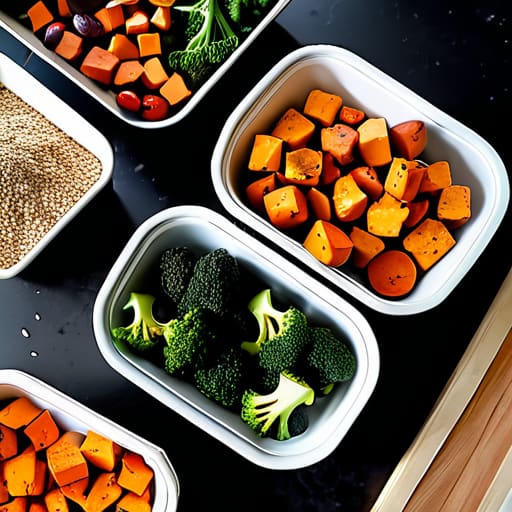
    When you’ve just finished a grueling two-a-day or a heavy wrestling session, your body is screaming for nutrients, not junk. I swear by a massive grain bowl packed with quinoa, roasted sweet potatoes, and a lean protein like grilled chicken or tofu. The complex carbs in the sweet potato provide the sustained energy you need to recover, while the quinoa ensures you aren’t just filling up on empty calories.

    One-Pan Performance Salmon

    One-Pan Performance Salmon with seasonal vegetables.

    If you’re short on time and energy after a long day of training, stop reaching for the takeout menu. A sheet-pan meal with salmon and a mountain of seasonal vegetables is a total game-changer for your recovery. Salmon is loaded with Omega-3 fatty acids, which are essential for managing inflammation—something every wrestler needs to deal with given the constant physical contact and impact.

    Beef and Black Bean Fuel Tacos

    Beef and Black Bean Fuel Tacos.

    Sometimes you just need something that feels a bit more substantial to hit that hunger drive. I love making lean ground beef or turkey tacos loaded with black beans. The combination of animal protein and legume fiber provides a complete amino acid profile that supports muscle repair after you’ve been grinding on the mats.

    Lean Turkey and Whole Grain Pasta

    The Classic Recovery Pasta

    There is a massive misconception that pasta is the enemy of athletes, and frankly, it’s nonsense. If you are burning through glycogen stores during wrestling practice, you need those carbohydrates to replenish your stores. I opt for a whole grain or chickpea pasta tossed with a lean turkey bolognese to ensure I’m getting a steady stream of energy.

    Slow-Cooker Chicken and Root Veggie Stew

    On those days when the mental load is just as heavy as the physical load, let a slow cooker do the heavy lifting for you. A hearty stew made with chicken thighs, carrots, parsnips, and potatoes is my go-to for “set it and forget it” nutrition. The slow-cooked proteins are easy on your digestion, which is crucial when your body is stressed from intense training.

    The Bottom Line: Fueling for Performance

    Stop treating dinner like an afterthought; view every meal as the foundation for your next practice or match.

    Prioritize nutrient density over calorie counting so you’re building functional muscle rather than just hitting a number on a scale.

    Consistency beats perfection every time—it’s better to have a solid, repeatable meal plan than to try and “fix” a bad week with a crash diet.

    Fuel Over Aesthetics

    Stop treating your post-mat meal like a math equation or a way to shrink yourself; treat it like the raw materials your body needs to repair tissue, replenish glycogen, and show up ready to grind again tomorrow.

    Tamsin Broadhurst

    Fueling the Next Session

    At the end of the day, these dinner ideas aren’t about following a rigid, boring diet; they are about providing your body with the raw materials it needs to recover and rebuild. Whether you are opting for a lean protein hit to repair muscle tissue after a grueling practice or leaning into complex carbohydrates to replenish your glycogen stores, the goal remains the same: functional recovery. Stop treating your nutrition like an afterthought or a chore to be checked off. When you prioritize high-quality ingredients like the ones we discussed, you are essentially investing in your performance for the next time you step onto the mat.

    Remember, the work you do in the kitchen is just as vital as the work you do under a barbell or in a wrestling clinch. You can have the most technical takedown in the world, but if your engine is running on empty, you’re going to gas out when the match gets intense. Strength is a skill, and that includes the skill of feeding yourself with intention. Don’t just eat to feel full; eat to be capable. Stay consistent, trust the process, and keep showing up for yourself—both in the gym and at the dinner table.

    Frequently Asked Questions

    How much time should I actually spend prepping these meals if I’m training late in the evening?

    Look, if you’re hitting the mat late, you can’t afford to spend an hour hovering over a stove when you’re exhausted. Aim for a 20-minute max on weeknights. The secret is doing the heavy lifting—chopping veggies or prepping your protein—on your off days. If you’ve got your base components ready in the fridge, assembly takes minutes. Don’t let a complicated kitchen routine sabotage your recovery. Prep smart so you can sleep more.

    Can I swap out some of the heavier carbs for something lighter if I’m cutting weight for a tournament?

    Yes, you can, but don’t go overboard. When you’re cutting weight, I recommend swapping heavy starches like pasta or large portions of rice for fibrous, volume-heavy options like roasted sweet potatoes, quinoa, or even extra greens. You need to keep your glycogen levels stable enough to actually execute your technique on the mat. If you cut the carbs too aggressively, your power output will tank, and you’ll just end up flat and exhausted mid-match.

    What are some easy ways to hit my protein targets without feeling bloated before a morning practice?

    The trick is to prioritize high-quality, easily digestible sources. If you’re staring down a morning session, skip the heavy, fibrous beans or massive steak dinners the night before—they’ll just sit like a brick in your stomach. Instead, lean on lean proteins like Greek yogurt, eggs, or a clean whey isolate. They hit your macros without the digestive drag, so you can focus on your technique rather than fighting your own gut.

  • Improving the Mechanics of Your Takedown

    Improving the Mechanics of Your Takedown

    I still remember the smell of stale sweat and old mats in that cramped local gym where I spent my early twenties, gasping for air after a failed shot. I used to think that if I just got stronger—if I could just squat more or deadlift more weight—my shots would naturally start landing. I was wrong. I spent months grinding out heavy sets only to realize my brute force meant nothing because my takedown mechanics were fundamentally broken. You can have all the explosive power in the world, but if your level change is lazy and your head position is off, you aren’t a wrestler; you’re just a target waiting to get countered.

    I’m not here to sell you on some magic supplement or a complicated, theoretical system that only works in a textbook. My goal is to strip away the fluff and give you the functional reality of what it takes to actually control an opponent. We are going to break down the precise, repeatable movements that turn a desperate scramble into a dominant finish. I’m going to show you how to build the consistent technical foundation required to make these shots an instinctive part of your movement, rather than a lucky guess.

    Table of Contents

    Perfecting Wrestling Shot Technique for Reliable Results

    Perfecting Wrestling Shot Technique for Reliable Results

    When you’re out on the mats, you don’t have time to overthink your movement; your body has to react before your brain even processes the opening. To get there, you need to focus heavily on your center of gravity in wrestling. If your hips are too high or you’re leaning too far forward before you initiate, you’re essentially handing your opponent an easy way to sprawl on you. I tell my athletes that a successful shot starts from the ground up—it’s about that explosive level change that keeps you underneath their defenses.

    Once you’ve mastered the setup, the actual execution of your double leg takedown mechanics comes down to driving through the contact. It isn’t just about grabbing a leg; it’s about the relentless forward pressure and the ability to finish even when they fight back. I’ve seen too many people lose momentum because they stop their feet once they make contact. You have to keep those legs churning. If you want reliable results, stop treating the shot like a singular event and start treating it like a continuous chain of movement that doesn’t end until they’re flat on their backs.

    The Physics of Control Managing Center of Gravity in Wrestling

    The Physics of Control Managing Center of Gravity in Wrestling

    If you’ve ever felt like you’re powering through a shot only to have your opponent sprawl and flatten you, the problem usually isn’t your hustle—it’s your physics. When we talk about center of gravity in wrestling, we aren’t just talking about theory; we’re talking about the difference between a successful finish and getting stuffed. To maintain control, you have to keep your hips underneath your shoulders. If your butt is riding high or you’re reaching too far forward, you’re essentially handing your opponent a lever to push you right back.

    This is especially true when you’re refining your low single takedown execution. Because you’re operating in such a tight space, even a slight misalignment of your weight can cause you to lose your base. You need to stay compact and heavy. Instead of just driving blindly, focus on driving your head into the correct plane and keeping your weight centered over your lead leg. When you master this balance, you stop fighting against your own momentum and start using it to dictate exactly where your opponent lands.

    Small Adjustments for Big Impact: 5 Ways to Tighten Your Takedowns

    • Stop reaching, start driving. One of the biggest mistakes I see is people “reaching” for the leg, which leaves their head exposed and their hips too far away. Instead, focus on penetrating with your lead knee and keeping your hips close to your opponent’s center of gravity.
    • Fix your head position. Your head isn’t just a part of your body; it’s a tool for control. If your head is tucked or drifting away from their torso, you’ve lost your leverage. Keep your forehead pressed firmly into their chest or shoulder to create that constant, driving pressure.
    • Hand fighting isn’t a side quest. You can’t just shoot blindly and hope for the best. Use your hands to clear their wrists and control their tie-ups before you ever commit to the shot. If you haven’t won the hand fight, you haven’t won the takedown.
    • Drive through, not just to, the target. A lot of lifters stop their momentum the second they hit the leg. That’s how you get sprawled on. You need to train your brain to see the contact point as the beginning of the drive, not the end of the movement.
    • Master the level change. If you’re bending at the waist, you’re going to get stuffed every single time. I tell my athletes all the time: drop your hips, not your back. A true level change comes from the legs and hips, allowing you to penetrate underneath their defense rather than crashing into it.

    Key Takeaways for Dominating the Mat

    Stop guessing and start drilling; technical mastery of your shot only comes through repetitive, high-quality practice until it becomes muscle memory.

    Control isn’t just about strength; it’s about physics. Keep your center of gravity low and stable to prevent your opponent from turning your own momentum against you.

    Treat your training like a skill, not a lottery. Consistency in both your mechanics and your recovery is what builds a truly capable athlete.

    ## Precision Over Power

    “A takedown isn’t won by how hard you hit the mat; it’s won in the split second you align your hips, find their center of gravity, and execute a movement so mechanically sound that it feels less like a struggle and more like an inevitability.”

    Tamsin Broadhurst

    Putting the Work into Practice

    Putting the Work into Practice through drilling.

    At the end of the day, a dominant takedown isn’t some magic trick you stumble upon during a scramble; it’s the direct result of how you manage your mechanics. We’ve talked about the importance of a precise shot and the absolute necessity of controlling your center of gravity to prevent being sprawled on or countered. If you aren’t thinking about your hips, your level change, and your weight distribution, you’re essentially leaving your success up to chance. Remember, consistency in your drilling is what bridges the gap between a theoretical technique and a functional, heavy takedown that actually works when the pressure is on.

    I know the grind of repetitive drilling can feel tedious, especially when you’d rather be hitting heavy sets in the weight room or moving on to something new. But I promise you, that discipline is where the real strength is forged. Don’t just train to look the part; train so that your body knows exactly what to do when you’re exhausted in the third period. Every rep, every corrected stance, and every controlled shot is an investment in your capability. Build the skill, fuel the movement, and trust the process. You have the tools—now go out there and execute.

    Frequently Asked Questions

    How do I know if I'm actually using my hips to drive the shot or if I'm just relying too much on my arms?

    If you feel a burning sensation in your biceps or shoulders right after a shot, you’re arm-driving, not hip-driving. Real power comes from the glutes and hips. Next time you drill, focus on your contact point: your hips should be driving into their midsection, not just your hands pulling at their legs. If you feel like you’re “pulling” them down instead of “pushing” through them, you’ve lost your drive. Use your legs to create the momentum.

    What kind of strength training should I prioritize to make sure my takedowns don't fail when I hit a heavy opponent?

    If you’re hitting heavy opponents and feeling that resistance, you don’t need more “gym strength”—you need explosive, functional power. Prioritize compound movements like Zercher squats and heavy deadlifts; they mimic the awkward, heavy loading you feel mid-shot. Don’t skip unilateral work, either. Single-leg lunges and Bulgarian split squats build the stability needed to drive through a resisting opponent without your base collapsing. Train to be unmovable, not just big.

    How can I maintain my level of control and center of gravity once the opponent starts scrambling to get back up?

    When the scramble starts, your biggest mistake is chasing their hips. Instead, focus on heavy pressure and staying “glued” to them. Think of your center of gravity as an anchor; if you stand up or reach too wildly, you’re giving them the space they need to pop back up. Keep your hips low, maintain chest-to-chest or chest-to-back contact, and use your weight to stifle their movement. Control the space, don’t just react to the chaos.